Destination Wedding Photos in Thailand: beach ceremonies, Thai rituals, venue questions
A destination wedding in Thailand is decided by three things the camera sees long before anyone else does. The coast and the month: two coasts with opposite monsoons, and a north with its own calendar. The last hour before sunset: the sun goes down between about six and seven all year and drops fast, so the light you want is short and predictable. And the venue: what it lets an outside photographer do, where it lets them stand, and which way the sun falls from the spot where you say your vows. Get them wrong and no lens fixes a noon ceremony squinting into the sun, or a photographer turned away at the gate.
Which coast, which month
The Andaman coast — Phuket, Krabi, Khao Lak, Koh Lanta, the Phi Phi Islands — is dry from about November to April. From about mid-May to mid-October the southwest monsoon brings big surf, red flags on the west-coast beaches (a red flag means no swimming, literally) and boats cancelled at short notice; September is usually the wettest month. The Gulf islands run the other way: Koh Samui is dependable from about January to August, driest from February to April, and wettest from October to December, with November the peak. Chiang Mai is cool and clear from November to January, hazy with seasonal burning from about February to April, and green in the rains from about May to October.
The hot season runs from about mid-February to mid-May, and April is the hottest month — which matters when your guests are in suits. The weeks around Christmas and New Year are the busiest of the year: book early. Songkran, the Thai New Year, is a public holiday from 13 to 15 April, with water thrown in the streets of most towns; plan the wedding around it, not into it.
Phuket and the Andaman sunset
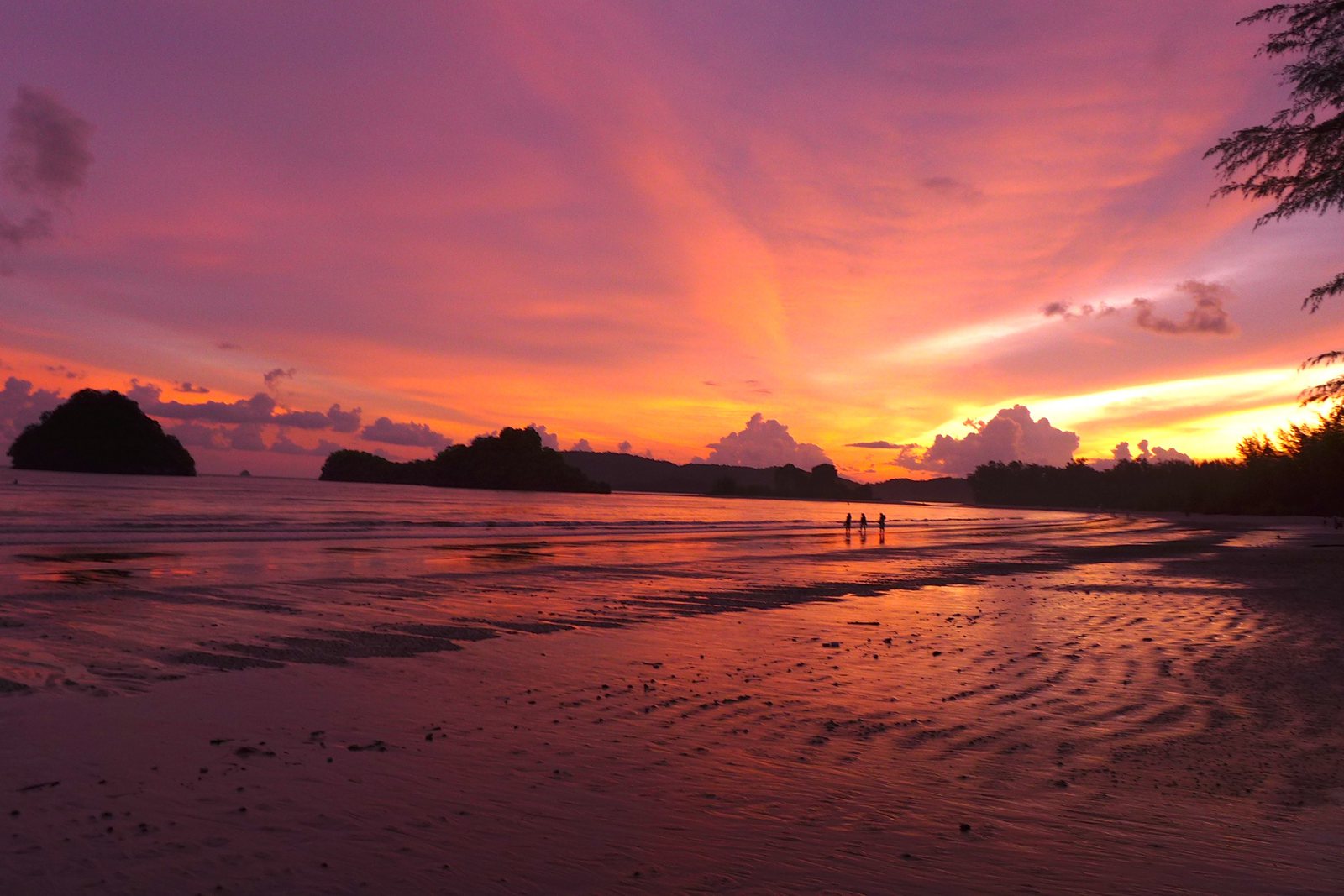
Phuket is one of the most popular places in Thailand for a destination wedding, and the reasons are practical: an international airport for guests and a west coast of bays facing the Andaman sunset — Kata, Karon and the smaller coves between them. A ceremony on west-coast sand in the last hour of daylight puts the sun over the sea behind you; the photographer shoots from the land side, into that light. Laem Promthep, the cape at the southern tip, is where the island watches the sunset, and it is crowded until the sun has gone: a place to look, not to pose a wedding party.
Phuket Town is the island's other face. The Sino-Portuguese shophouses of Thalang Road and Soi Romanee, restored in pastel colours, make a portrait session in soft morning or late-afternoon light. People live and trade behind those shutters: the photographer works around them.
Krabi, Khao Lak and Koh Lanta
Krabi dresses a wedding in limestone: a ceremony on sand with karst islands on the horizon, the couple at the prow of a longtail hung with coloured ribbons, and the Railay cliffs turning orange at sunset. Railay is reachable only by boat, from Ao Nang or Krabi Town, so plan how every guest gets there and back, and expect wet feet: longtails pull up on the sand.
Khao Lak, about an hour and a half by road north of Phuket airport, marries on long, quiet sand facing the sunset, with rainforest hills straight behind the beach and no crowd to edit out. Koh Lanta has no airport — Krabi is the nearest — and is reached by road with a car-ferry crossing, which keeps it quiet: a small ceremony on a west-coast beach as the sun goes down, and portraits along the wooden stilt houses of Lanta Old Town on the east side, best in soft morning light. From May to October speedboats to Lanta are cut back.
Koh Samui through the middle of the year
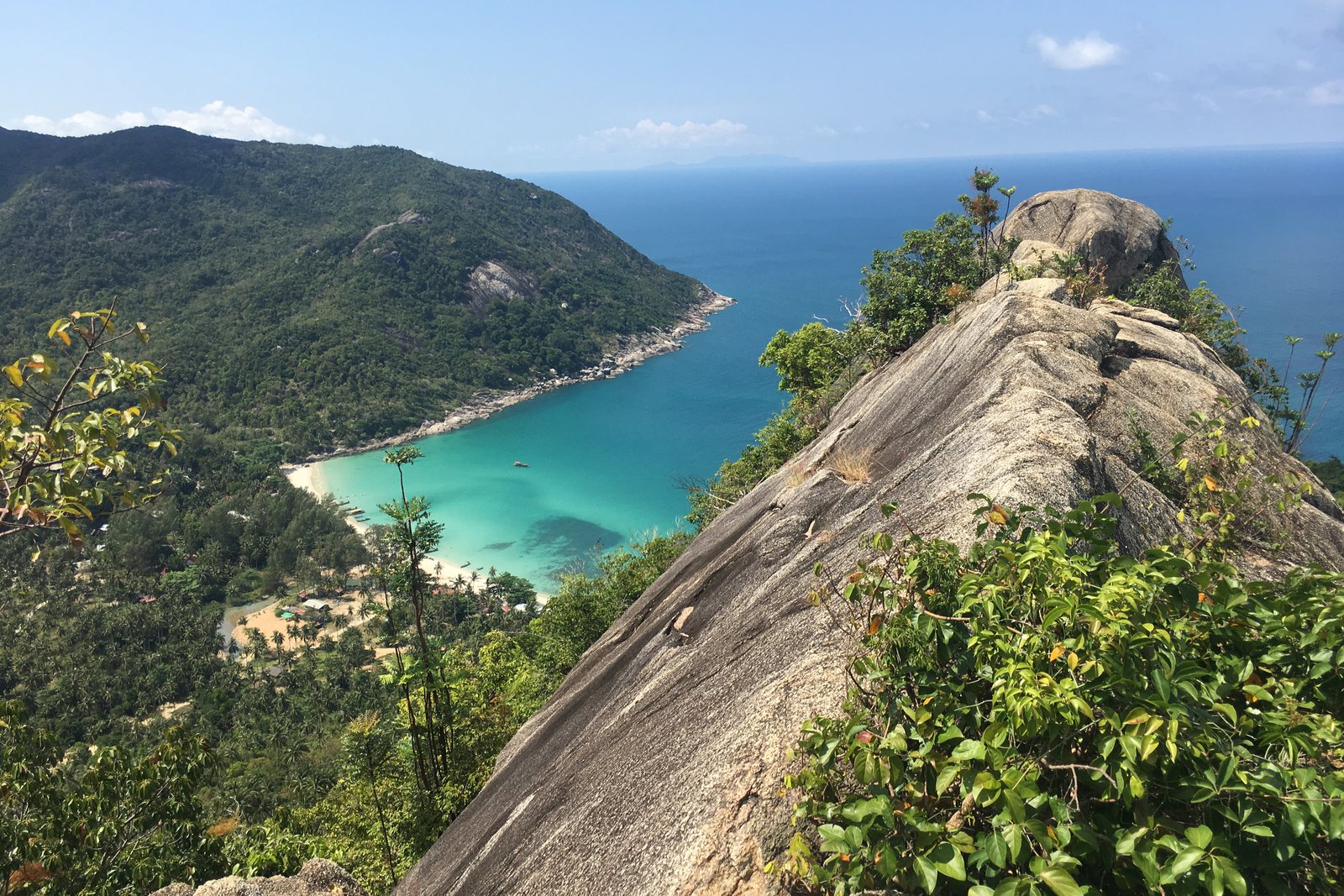
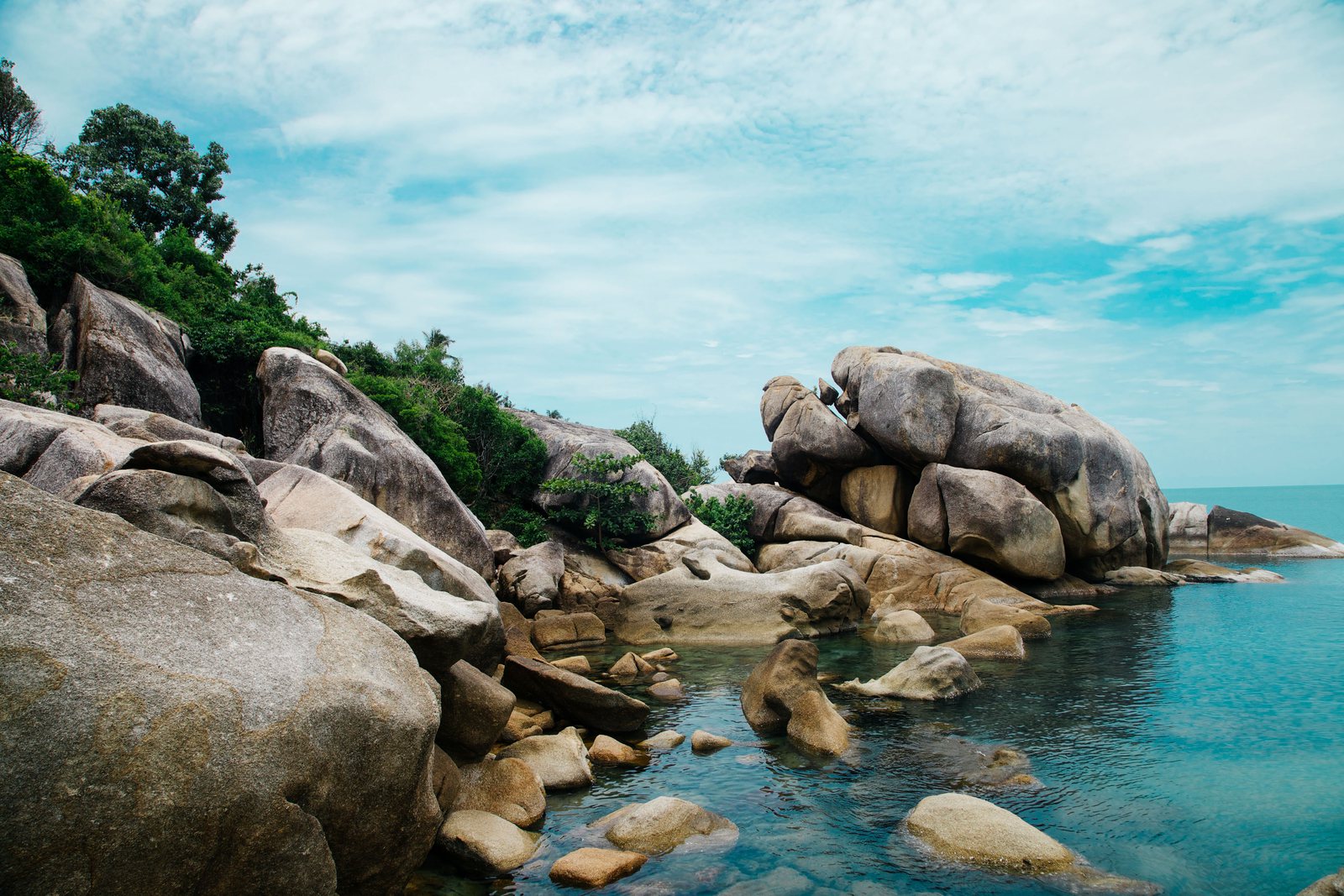
Koh Samui is the Gulf's wedding island and the summer answer while the Andaman is in its monsoon. It has its own airport, which makes guests easy, and it photographs as palm-lined sand, granite boulders on the headlands, calm bays on the north coast looking across to Koh Phangan, and the old wooden shophouses of Bophut's Fisherman's Village at dusk.
Think about direction here. On an east-coast beach the sun rises over the sea and sets behind the island, so the beach is a sunrise ceremony or an evening in shade; ask the venue which way the light falls before you fall for a view. From October to December the northeast monsoon brings the heaviest rain, November usually the wettest month, and rough seas can cancel the ferries your guests would take to Koh Phangan or Koh Tao.
Chiang Mai: a garden wedding in the cool season
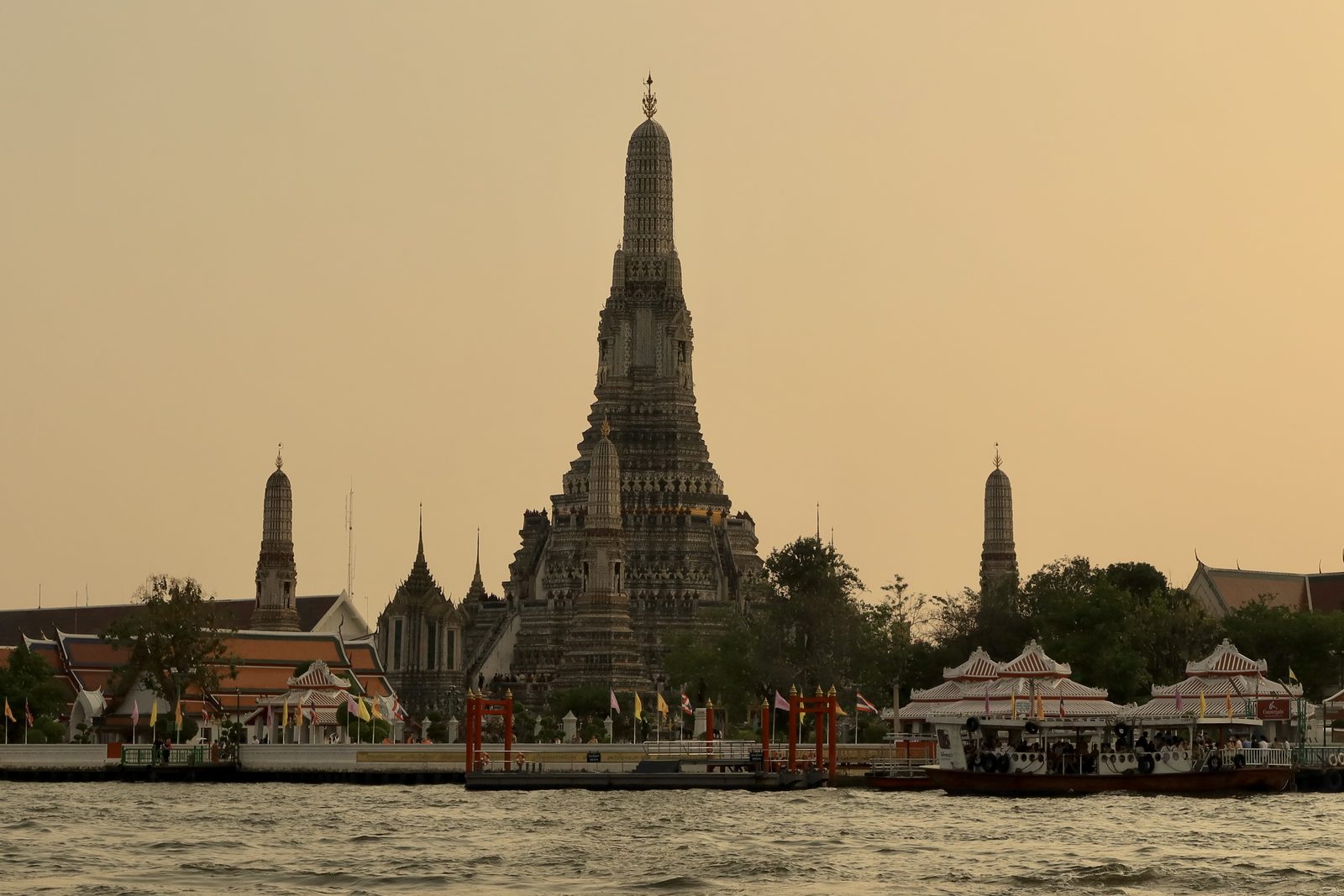
Chiang Mai dresses a wedding in teak and mountain air: garden ceremonies in the hills, cool evenings from November to January, rice fields outside the city for the evening portraits. A Lanna-style ceremony opens with a morning blessing by monks. Portraits at the dark-teak hall of Wat Phan Tao and among the ruined great chedi of Wat Chedi Luang next door are on temple ground: ask the temple first, cover shoulders and knees even in wedding clothes, and keep the kiss outside the walls. Avoid February to April, when the haze hides the mountains.
Loy Krathong and Yi Peng fall on the same nights, usually in November: beautiful, crowded and regulated. Sky lanterns are banned in much of the city and near the airport, and releases are held at organised events. A lantern send-off is not something to plan; check the current year's rules.
Thai rituals worth planning the photographer around
A Thai wedding starts early. Monks chant a morning blessing and sprinkle the couple and guests with blessed water. Then comes rod nam sang: the couple kneel under linked thread crowns, hands held out, and guests come up one after another to pour water from a conch shell over their hands. It is a ritual of hands and faces: the photographer needs a position at the side and a list from you of the elders and friends who matter.
Plan the day around it. If the morning is Thai and the evening is a beach ceremony, the photographer's day runs from early morning to after sunset, with a long break in the heat; say so when you book, because packages state their length. For the blessing: shoulders and knees covered, feet never pointed at a monk, and a woman does not touch a monk or hand him anything directly. Ask the venue or temple whether photographs are welcome during the chanting.
The legal marriage is a separate thing
The legal marriage is registered at a Thai district office, an amphoe. Foreigners first get an affirmation of freedom to marry from their own embassy, translated into Thai and legalised by the Ministry of Foreign Affairs, and each embassy sets its own process — check yours early. Since January 2025 the same applies to same-sex couples. A beach ceremony or a monks' blessing is not a legal marriage by itself, and many couples register at home and keep the Thai day for the ceremony and the photographs.
Questions to ask the venue, in writing
Ceremonies are arranged by the venues, and before you book a photographer, ask yours in writing: Are outside photographers allowed, and on what conditions? Is there a fee for an outside vendor? Where may the photographer stand during the ceremony — the aisle, behind the officiant, on the sand below? At what time is the ceremony relative to sunset, and which way does the sun fall from the ceremony spot? What is the covered plan if it rains, and is there light in it? Can a drone fly there at all? Send the answers to the photographer.
On drones: every drone has to be registered with both NBTC and CAAT, each flight needs approval in advance, nothing flies within nine kilometres of an airport without approval — which rules out the beaches around Phuket airport and much of north-east Samui — and parks and temples add their own rules. Ask whether the photographer flies a registered drone.
Guests, boats and the monsoon backup
Guests fly into Phuket, Samui, Chiang Mai or Krabi, the nearest airport for Koh Lanta; from there it is a road or a boat. Koh Phangan and Koh Tao have no airport. National-park beaches — Phi Phi Leh, the Similans, Ang Thong — follow park rules, and photography done as paid work there can need the park's permission. Leave a spare day before onward flights in the monsoon.
For each coast, plan the rain. On the Andaman in the wet months, a covered ceremony space and portraits on the next dry evening; on Samui from October to December, the same. Rescheduling a session for weather is free for both sides, so a day-after portrait session is a real backup.
Planning a destination wedding photoshoot in Thailand
Set the coast by the month, then the venue, then the photographer, in that order, and book early for anything near Christmas and New Year. A sunset ceremony with portraits needs a couple of hours; a Thai morning and a beach evening need most of the day. The photographer confirms within 24 hours, payment is held until the photos are delivered, and wedding packages show their own cancellation terms before you book. See the weddings page, check how it works, and browse photographers online.
Want professional photos in Phuket?
Browse portfolios, compare packages, and book a verified local photographer in minutes.