Koh Samui Photoshoot Guide: Fisherman's Village, granite coves and the Gulf's own calendar
Koh Samui's strongest argument is its calendar. The island lies in the Gulf of Thailand, on the other side of the peninsula from Phuket and Krabi, and its weather runs out of step with theirs: dependable from about January to August, driest from February to April, wettest from October to December, with November the peak. That makes Samui the summer answer — the place for a honeymoon session in July or August while the Andaman coast is in its monsoon — and the wrong choice for a trip built around November. Get the month right and the rest is a matter of coast and hour: sunrise on the east, sunset on the west, and an old wooden fishing village on the north coast as the lights come on.
The Gulf's own calendar
The two coasts of southern Thailand take their rain from opposite monsoons. The Andaman side, west of the peninsula, has the southwest monsoon from about mid-May to mid-October. Samui and the other Gulf islands take most of their rain from the northeast monsoon instead, late in the year. From January to August the island is reliable, with the driest weeks from February to April; from about mid-February the heat builds to its April peak and sessions move to the first and last hours of the day. From October to December the rain is heaviest, November is usually the wettest month of the year, and rough seas can cancel ferries and boat trips to the islands nearby.
A session in the wet months is possible, but keep a spare evening and skip the boat day. The weeks around Christmas and New Year are busy even with the last of the rains, so book early. Rescheduling for bad weather is free for both sides. The sun climbs fast all year, so the soft light is short; midday on white sand is flat and harsh in any month.
Sunrise on the east coast: Chaweng, Lamai and Silver Beach
Chaweng and Lamai, the long beaches of the east coast, face the sunrise, and in the first hour of the day they are almost empty — the sea pale, the sand smooth, the light low across the water. By mid-morning they are the busiest beaches on the island, with the main road and its traffic a short walk behind the sand, so a session here is a dawn session or nothing.
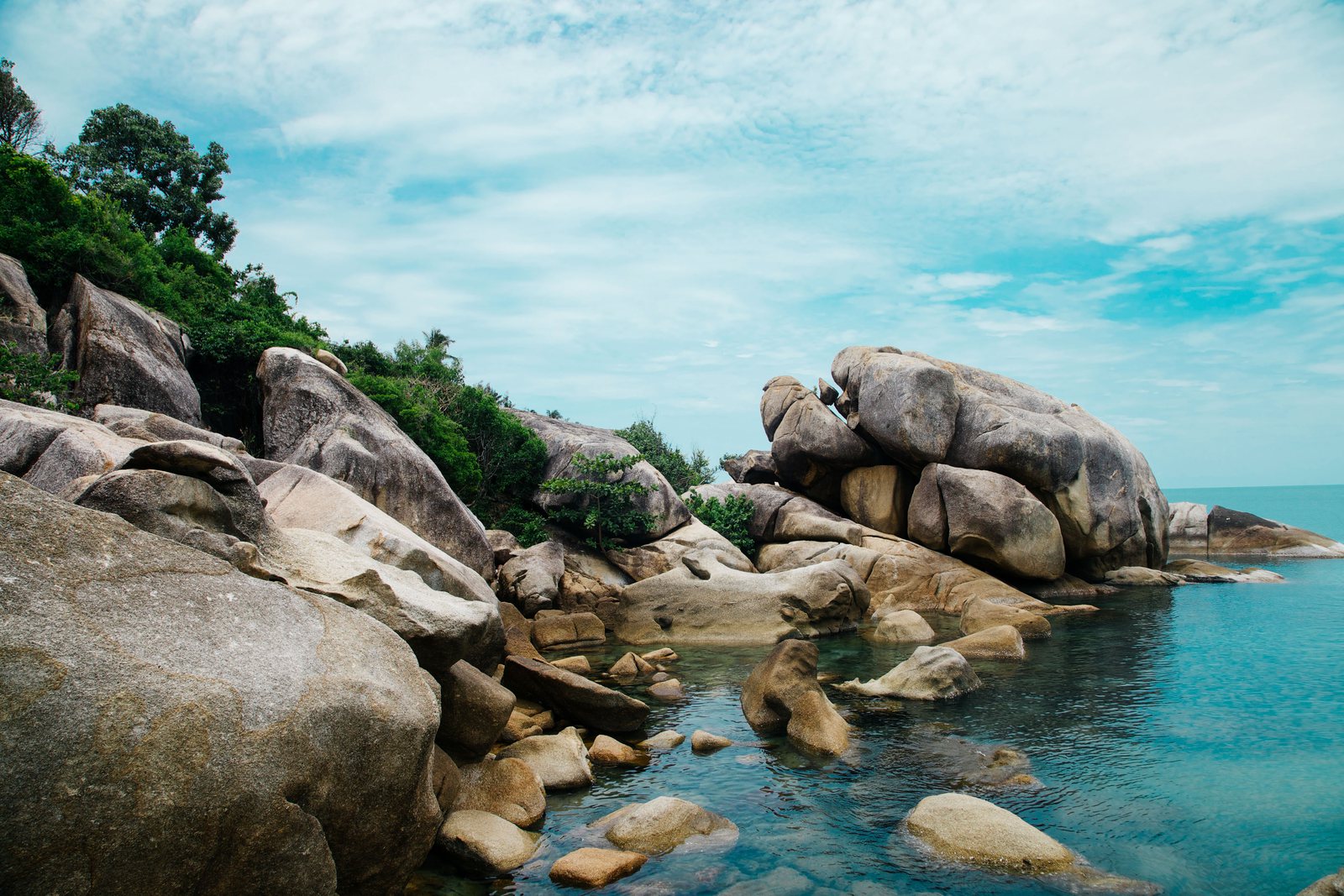
The quieter corners usually work better than the long beaches. Silver Beach, a small cove of white sand and granite boulders between Chaweng and Lamai, is the best of them at sunrise: the boulders give the frame shape and shade, and the cove is small enough to feel private early in the morning.
Hin Ta and Hin Yai
Near Lamai, the Hin Ta and Hin Yai rocks are a local curiosity with a legend attached, and one look at their shapes explains why visitors giggle: five light-hearted minutes, not a session.
Coconut groves and the north coast
Samui was a coconut island long before it was a holiday one, and the groves behind the sand are part of what makes it look like itself: tall palms in rows, filtered light, shade at an hour when the beach has none. A grove is someone's land, so the photographer picks one where a session is welcome rather than walking into the nearest.
The north coast is calmer. Maenam and Bophut look across the water to Koh Phangan, with smaller waves than the east coast and a slower feel, and the island across the strait gives a background that says Gulf without saying resort. Facing north, the coast gets side light at both ends of the day, good for a walking frame along the water.
Fisherman's Village in Bophut at dusk
Bophut's Fisherman's Village keeps a row of old wooden shophouses along the beach, with a narrow street behind them and a pier reaching into the bay. It is at its best in the late afternoon, when the low sun reaches the wood, and again as the lights come on in the shopfronts. The shophouses are homes and businesses, so doorways stay clear.
One evening a week the street closes to traffic for a walking-street market — lively, crowded and not the night for clean frames; check which night it runs before you fix the date. On the other evenings, half an hour on the beach in front of the village at sunset and a slow walk back up the street at dusk make a complete session.
The Big Buddha and Wat Plai Laem
On a small island off the north-east coast, at the end of a causeway, the Big Buddha — a golden figure twelve metres tall — has looked over the sea since 1972. A staircase climbs to the platform at its base. The temple asks for covered shoulders and knees, and shoes come off where the signs say so: this is a place of worship before it is a viewpoint. Photograph the image on its own, never pose with your head higher than it, never point your feet towards it or towards a monk, and keep the kiss and the lift for the causeway outside.
Close by, the many-armed Guanyin of Wat Plai Laem rises above its lake. The same rules apply — covered shoulders and knees, low voices, the images photographed with respect rather than used as props — and both temples are quietest early in the morning.
The airport sits in the north-east, close to Chaweng, Bophut and the Big Buddha, and drones may not fly within nine kilometres of an airport without approval, which rules out much of this corner of the island; every drone also needs registration with NBTC and CAAT, insurance and approval for each flight. Ask whether the photographer flies a registered drone rather than bringing your own.
Sunset on the west coast: Lipa Noi and Taling Ngam
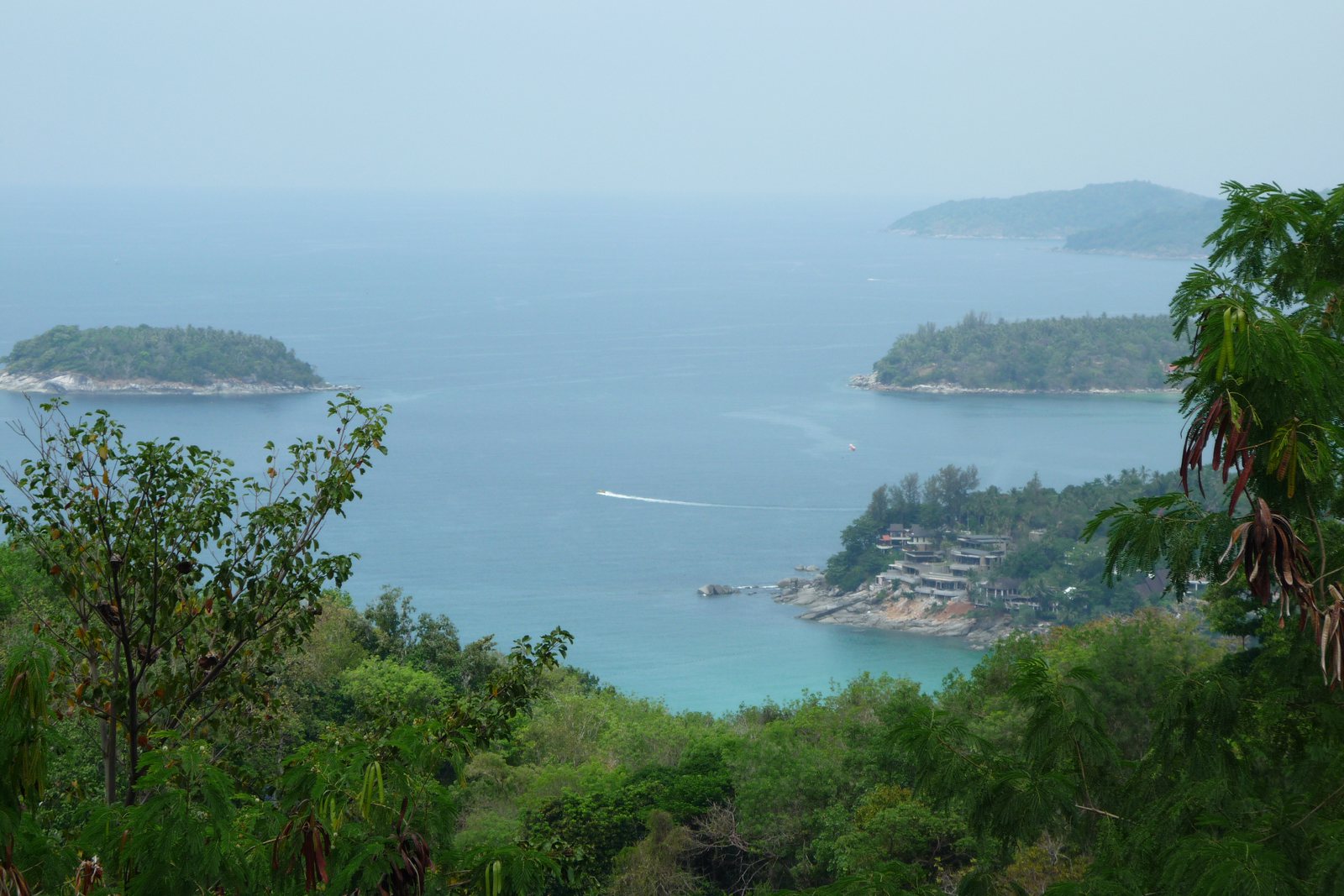
The west coast is the quiet side of Samui and the side that faces the sunset. Lipa Noi and Taling Ngam look out over calm water towards the Ang Thong islands, which sit on the horizon as a line of limestone shapes — a frame the east coast cannot give you. The beaches are long and empty compared with Chaweng.
Start about an hour before the sun reaches the horizon; the best light arrives in the second half of that hour and the first minutes after. For a proposal this is the coast to choose, and the Koh Samui proposal page covers it, with Silver Beach at sunrise as the alternative.
Ang Thong National Marine Park by boat
West of Samui, Ang Thong National Marine Park is forty-two islands of limestone and green water, and a full boat day rather than a session. On Koh Mae Ko a steep climb leads to a viewpoint over an emerald lake enclosed by cliffs; on another island a harder climb leads to a view over the whole archipelago. Both mean a steep climb in trainers, so the pictures there are travel photographs rather than a styled session.
The park sets its own terms. Foreign visitors pay its entrance fee, a professional shoot inside it can need the park's permission, and the boats do not sail in rough weather. The park has also closed to visitors for several weeks a year from the start of November into December, when the northeast monsoon is strongest; check the current dates. Plan no session for the evening after the trip: sunburn and salt show in every frame.
Koh Phangan and Koh Tao from Samui
Samui is the base for the rest of the Gulf. Koh Phangan is about half an hour away by boat: jungle hills, coves reached by longtail, and a sandbar at Mae Haad that joins the beach to the islet of Koh Ma at low tide, with the tide table deciding when the session starts. Plan around the Full Moon Party on Haad Rin's Sunrise Beach, when thousands of people fill the island's south-eastern tip and the ferries run full.
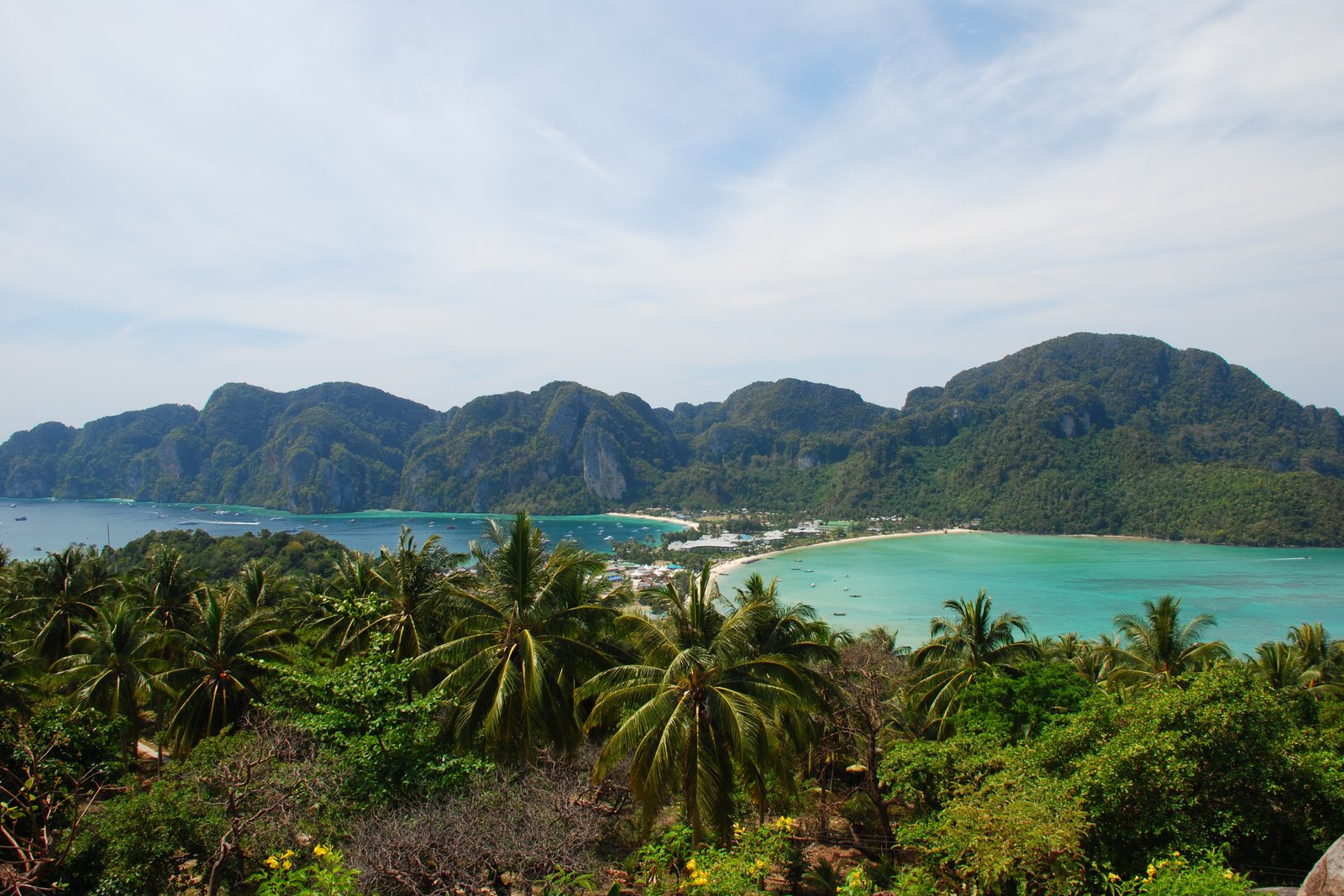
Koh Tao, about an hour and a half by boat, is the Gulf's diving island. Its famous view is Koh Nang Yuan, three islets joined by a sandbar — privately run, with an entrance fee, its own hours for day visitors and plastic bottles banned — and it is quietest early in the day. Both islands share Samui's calendar, so the same months work for all three.
Planning a Koh Samui photoshoot
Pick the month first. From February to April and through the summer, Samui is one of the most dependable places in Thailand for a beach session; from October to December, plan for rain and keep a spare evening. Then pick the coast: the east for sunrise, the west for sunset, Bophut for dusk. For a honeymoon, see what a honeymoon photoshoot covers; the west coast at sunset is usually the one, with Fisherman's Village as a second session on another evening.
An hour covers one beach or the village done properly; ninety minutes give a sunset beach and the walk through Bophut as the lights come on. The Koh Samui couples page shows how a session for two runs on the island. Keep the session away from the evening after a boat day and from the day of a flight.
A photographer who works the island knows which cove is empty at sunrise, which night the walking street runs and which way the rain is heading. Read the destination page for Koh Samui, check how it works, and browse photographers online.
Want professional photos on Koh Samui?
Browse portfolios, compare packages, and book a verified local photographer in minutes.