Songkran, Loy Krathong and Yi Peng: planning a photoshoot around Thailand's festivals
Thailand's two great festivals are opposites for a camera. Songkran, the Thai New Year, falls in April, the hottest month, and it is a water fight in the streets: nobody outside stays dry, cameras included. Loy Krathong comes with a full moon, usually in November, and it is a night of small candlelit offerings floated on rivers and lakes, with Chiang Mai adding the paper lanterns of Yi Peng on the same nights. Both photograph beautifully and both fill the places you would want to stand. What goes wrong is predictable: a session planned as if the streets will be calm, a riverbank chosen at the last minute, a sky lantern released where releases are banned.
Songkran: the Thai New Year in the hottest month
Songkran is a public holiday from 13 to 15 April, and in most towns it means water thrown in the streets — from buckets, bowls, hoses and water guns, at anyone who is outside. In 2023 UNESCO added Songkran in Thailand to its list of the intangible cultural heritage of humanity, and the quieter half of the festival is the reason: mornings begin with merit-making at the temples, Buddha images are bathed with water, and younger people pour water over the hands of their elders as a blessing for the year ahead.
It is also a travelling holiday. Many people who live in Bangkok go home to their families in the provinces, so buses, trains and the roads out of the city are full in the days around it; book your own transport early. And it is one of the most dangerous weeks of the year on Thai roads. If you would normally rent a scooter, this is not the week.
Two ways to plan a Songkran session
The first is to stay out of it. Shoot in the early morning, before the streets fill, or where the celebrations are not: a temple courtyard where people have come to make merit, a quiet stretch of beach, the river. In some towns the water carries on for days after the holiday — Pattaya is one — so check the local dates rather than assuming the day after is calm.
The second is to join in. That takes clothes you don't mind ruining, and they have to work wet: dark or patterned fabrics, because pale ones turn see-through; quick-drying cotton; sandals with grip, because pavements turn slick. Keep it decent — revealing outfits are frowned on and can bring a fine. The floral shirts sold everywhere in the run-up to the festival are the unofficial uniform. Leave make-up off or keep it waterproof, put your phone in a waterproof pouch on a cord, and expect to be soaked within a minute of stepping outside.
How a photographer works in a water fight
A photographer who joins a Songkran session plans for the gear to get wet: a weather-sealed body or a waterproof housing, a rain cover, a protective filter and a lens hood against direct hits, dry cloths in a sealed bag, and a short session, because water finds every seam in the end. Most frames come from a little distance — the couple in the middle of the fight, the photographer at the edge of it — and the best of them are shot with the sun behind the spray, when the water turns to light.
The game has rules. Water goes at people who are playing; not at monks, the elderly, babies, people on their way to work or anyone on a motorbike. The rules are reissued every year: in 2026 they included no high-pressure water guns, no powder smeared on anyone who had not agreed to it and no soaking people who were not taking part. Check the current ones. Sawasdee pi mai is Happy New Year, and it goes a long way.
Songkran in Chiang Mai and Bangkok
In Chiang Mai, the moat and the old-city streets are where the city celebrates, with Tha Phae Gate in the middle of it. An old-city temple session in the first hours of the morning is possible; the moat road by late morning is not a place to stay dry. By April the cool season is long gone and the smoke of the burning season can still hang over the mountains, so the views from Doi Suthep are rarely there — keep to close frames: temple courtyards, carved teak, old brick.
In Bangkok the biggest water fights are on Silom and on Khao San Road, both closed to traffic and packed; in 2026 Khao San allowed water play only from midday until late evening. The rest of the city is easier: the river in the early morning, the temple courtyards during merit-making, the canals of Thonburi by longtail. Ayutthaya's ruins have little shade, and in April they are a place for the first hour after sunrise and nothing later.
Loy Krathong: candles on the water
Loy Krathong falls on the full moon of the twelfth Thai lunar month, usually in November — 2020's fell on 31 October — so the date moves every year; check it for yours. After dark, people float a krathong on a river, a canal or a lake: traditionally a slice of banana trunk with folded banana leaves, flowers, a candle and incense sticks, set on the water with a wish, and for many a thank-you to the water itself. Choose one made of banana leaf or bread; foam ones are discouraged, because they pollute the rivers for years.
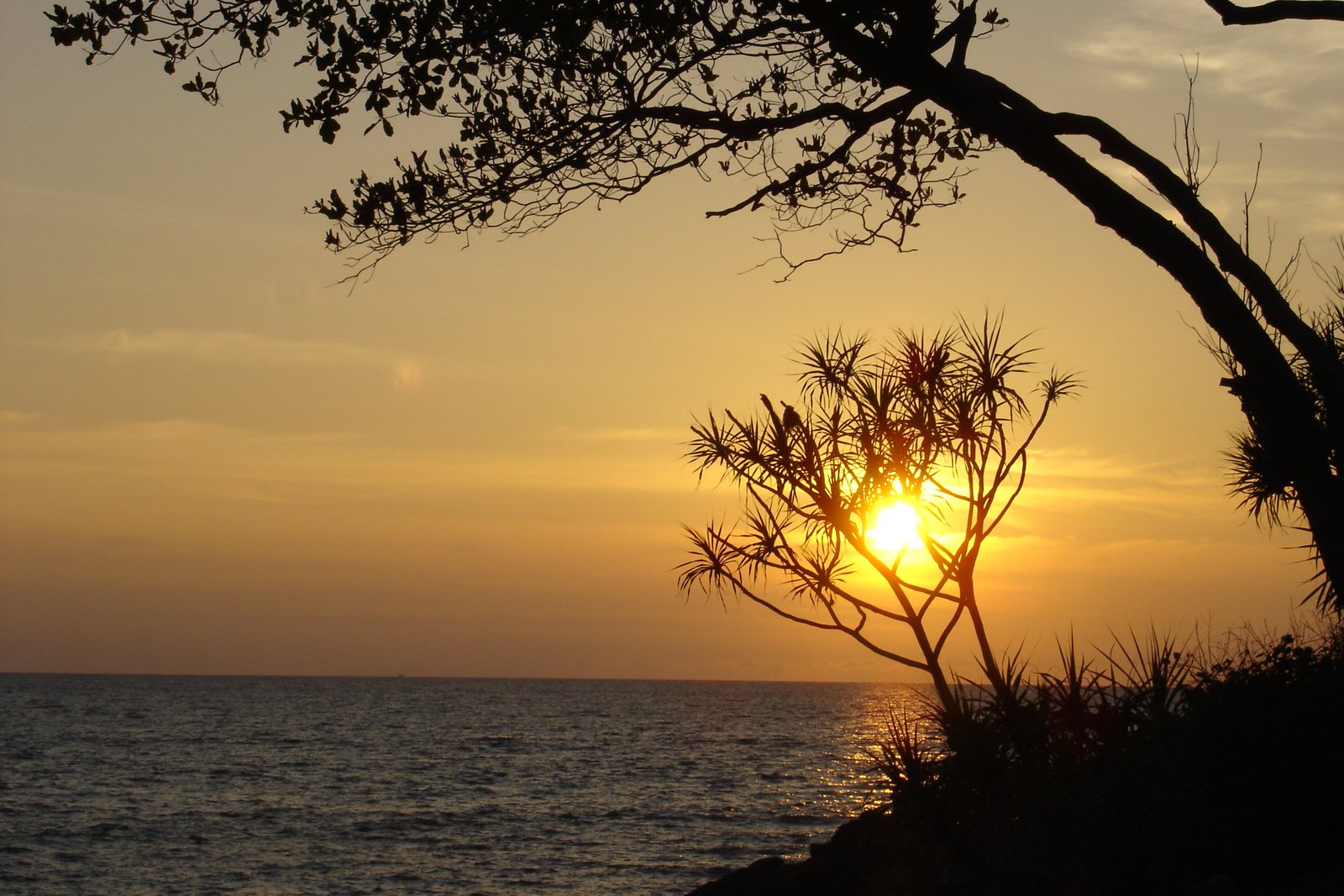
For a camera it is a night of small, warm lights low on the water, faces lit from below as people kneel at the edge, and riverbanks that fill steadily from dusk. A photographer looks for a stretch of bank a little away from the main launch points, stays on solid ground rather than a crowded pontoon, and keeps the couple between the candles and the lens.
Yi Peng: Chiang Mai's lanterns
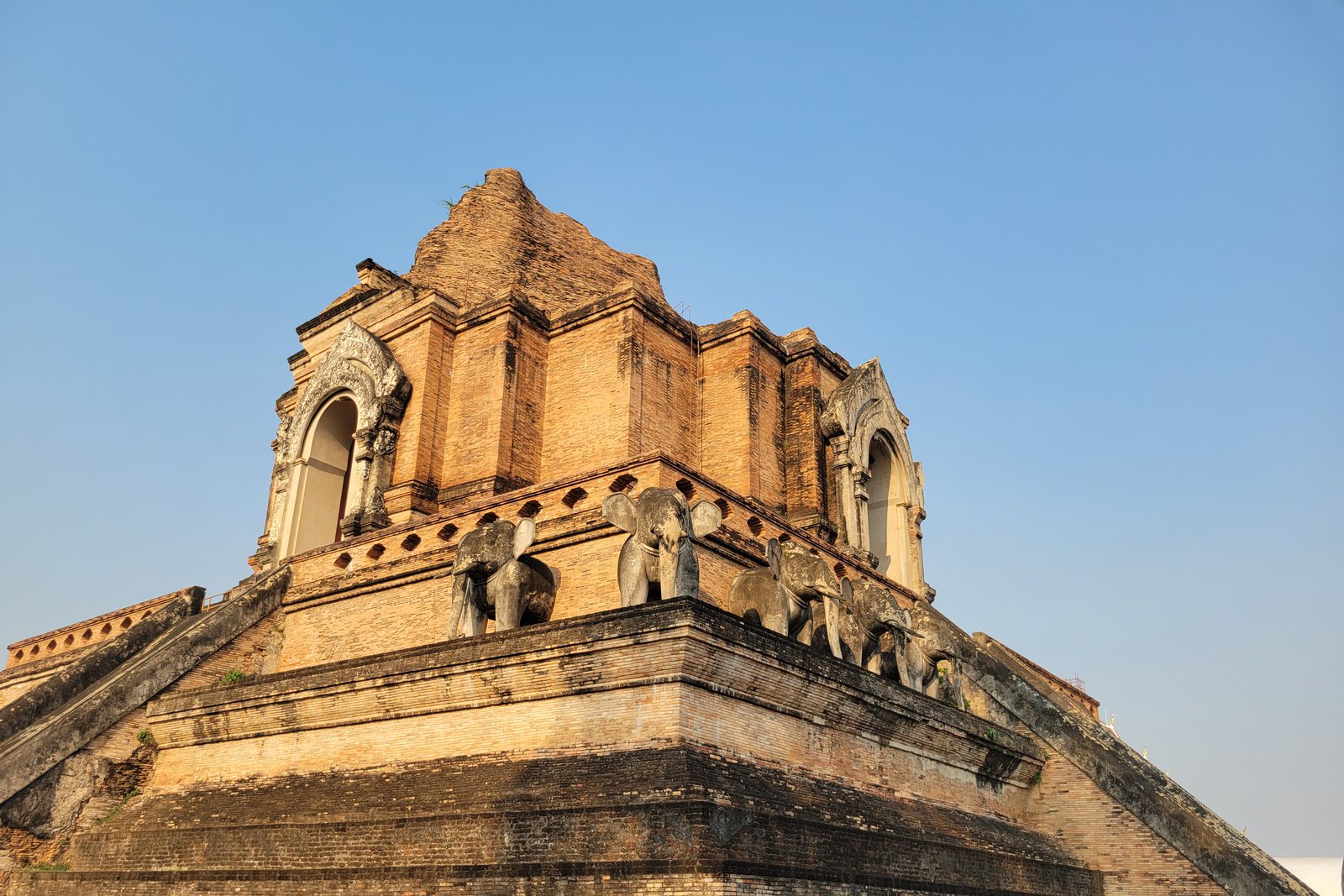
In Chiang Mai, Loy Krathong coincides with Yi Peng, the Lanna full-moon festival, and the city celebrates both at once. Paper lanterns are hung across the streets and around Tha Phae Gate; temples such as Wat Chedi Luang and Wat Phan Tao are decorated with hanging lanterns and small clay lamps; and krathongs are floated on the Ping River. The dark teak hall of Wat Phan Tao, lit by lanterns, is the frame many people come for — and it is a temple first: covered shoulders and knees, shoes off before the hall, voices low, no flash in the faces of monks and nothing posed with a Buddha image. Arrive early; the grounds fill quickly after dark.
The sky lanterns, khom loi, are the part that needs care. Releasing them is banned in much of the city and near the airport, releases happen at organised events, and flights in and out of Chiang Mai are rescheduled around the release nights. The rules change every year and the penalties are serious, so check the current year's rules, and never release a lantern outside an authorised event, however many people around you are doing it.
Bangkok's riverside and Ayutthaya on the full moon
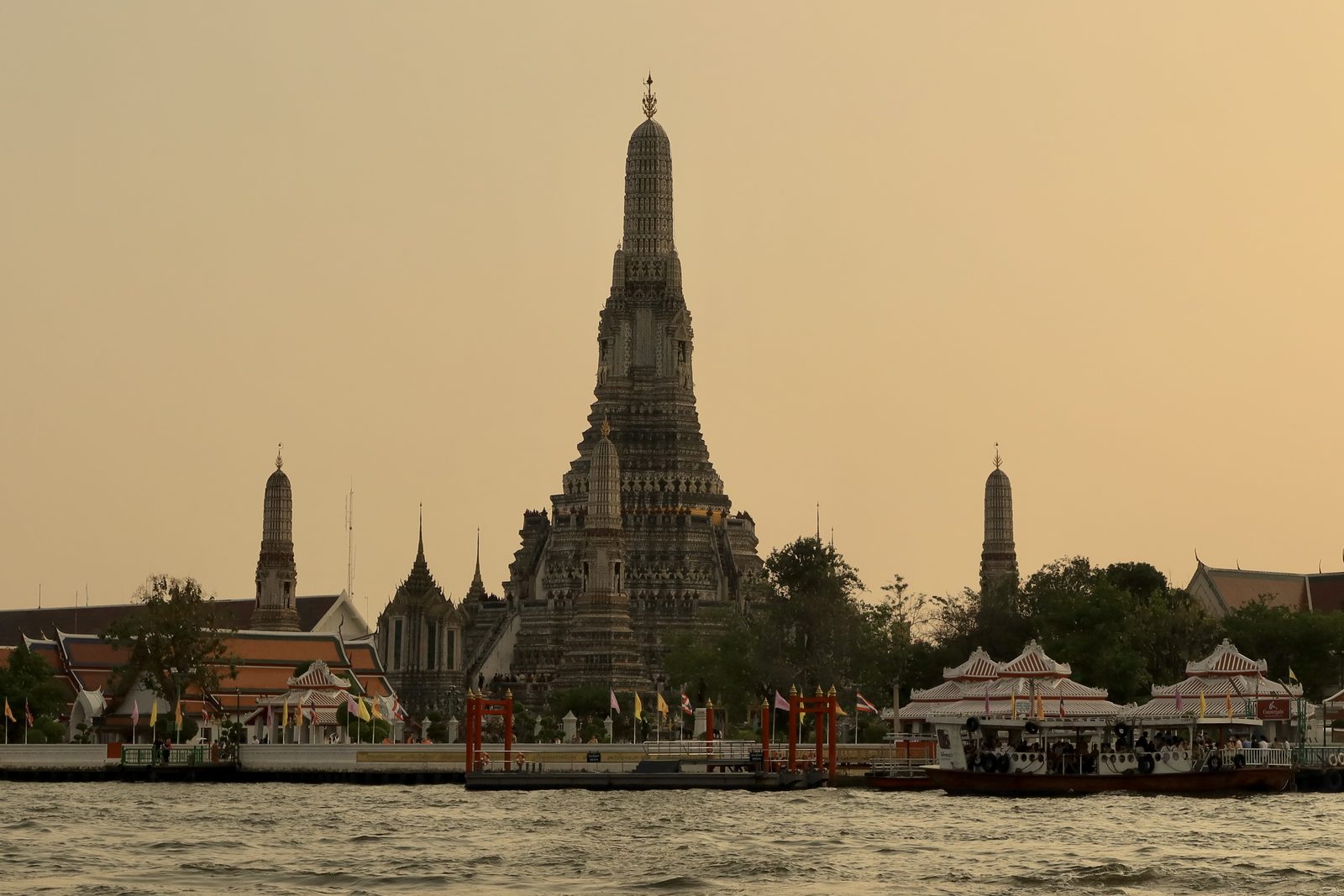
In Bangkok the night belongs to the Chao Phraya. The riverside park at Phra Sumen Fort and the piers along the old city fill with people floating krathongs, and the lake in Lumphini Park is the best-known place to float one away from the river. The riverside at Tha Tien at dusk, with Wat Arun across the water, gives the portraits before the crowds arrive; the krathongs give the frames after dark.
Ayutthaya, an island where three rivers meet, floats its krathongs on the rivers around the ruins, and in recent years the historical park has held its own festival events among the temples. What happens where changes from year to year, so check the programme for yours. The ruins at sunset — Wat Chaiwatthanaram on the west bank, with the sun dropping behind its towers — make the portrait; the river after dark is the festival.
A festival night as a short, busy session
Treat the evening as a short session in two halves. The portraits come first, in the last light and the blue hour, while the riverbank is still half empty; the festival frames come after dark, when the candles and lanterns are lit and the crowd becomes part of the picture. An hour, perhaps a little more, is enough. Agree a meeting point away from the main launch areas, expect the roads around the old city and the river to be closed or jammed, and plan to walk the last stretch.
Book well ahead. The festival nights fill Chiang Mai, and the photographers who know where to stand are taken early. Rescheduling for weather is free for both sides; the full moon, unfortunately, does not reschedule.
Planning a festival photoshoot
Start with the date. Songkran is fixed, 13 to 15 April; Loy Krathong and Yi Peng move with the moon, so check this year's full moon and this year's lantern rules before you book anything else. Then decide how much festival you want in the pictures: a couples session in Chiang Mai in the old city before the lanterns are lit, or a session that walks into the crowd once they are.
For the lanterns, read the destination page for Chiang Mai; for the river, Bangkok; for the ruins, Ayutthaya. See what a couples photoshoot usually covers, check how it works, and browse photographers online. The photographer confirms within 24 hours, so secure the date first and the details after.
Want professional photos in Chiang Mai?
Browse portfolios, compare packages, and book a verified local photographer in minutes.