Best Time for a Photoshoot in Thailand: month by month, coast by coast
There is no single best month for a photoshoot in Thailand, because Thailand has three weather systems. The Andaman coast in the west takes its rain from the southwest monsoon in the middle of the year; the Gulf islands in the east take most of theirs from the northeast monsoon at the end of it; Bangkok, the centre and the north have a dry, cool winter, a hot spring and a rainy summer of their own. So the right question is not "when" but "when, and where": in almost every month, one part of the country is at its best while another is at its worst. This guide walks the year and names the place that wins each stretch — and what each season costs as well as what it gives.
The light, in any month
One thing does not change with the season: the light is short. The sun rises and sets between roughly six and seven o'clock all year and climbs fast, so the soft light lasts about an hour at each end of the day; in Bangkok, sunset moves by only about an hour across the whole year. Every session is planned around the first hour after sunrise or the last before sunset, and the season decides which end is better, and where. The heat decides how much of that hour you can use: a cool December morning gives you all of it and more, an April morning much less.
November to February: the best season for most of the country
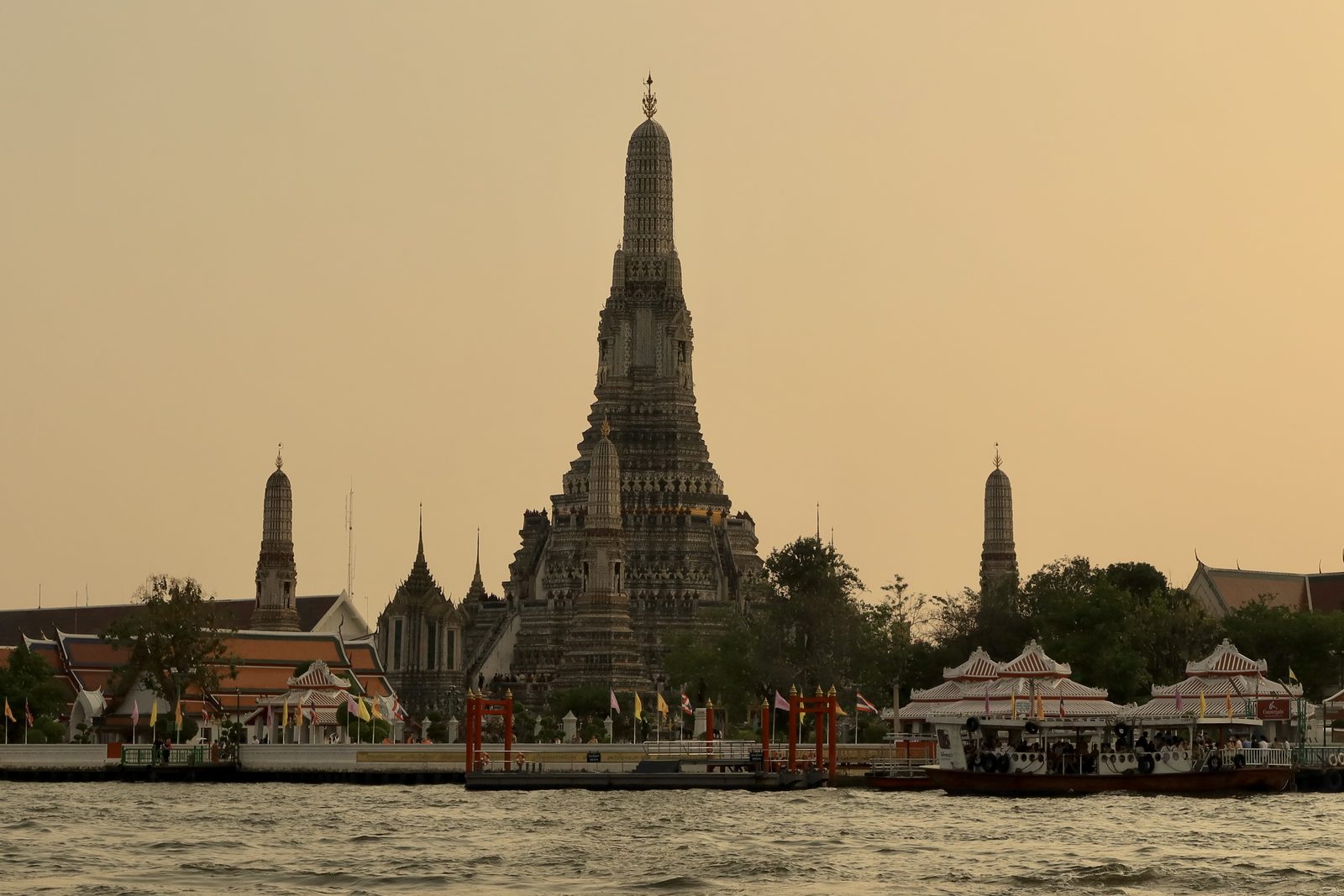
These are the months most of Thailand is built for: the rains over in Bangkok, Ayutthaya and the north, the air cooler and drier, the evenings clear. Temple mornings in Bangkok and Ayutthaya are as comfortable as they get, and a session can run past the first hour.
The north is at its best. In Chiang Mai and Chiang Rai the mornings are cool enough for a layer, the sky is clear and the hills stand out sharp from November to about late January or early February; mist fills the valleys at dawn, at viewpoints such as Phu Chi Fa, from about November to February — often, never guaranteed.
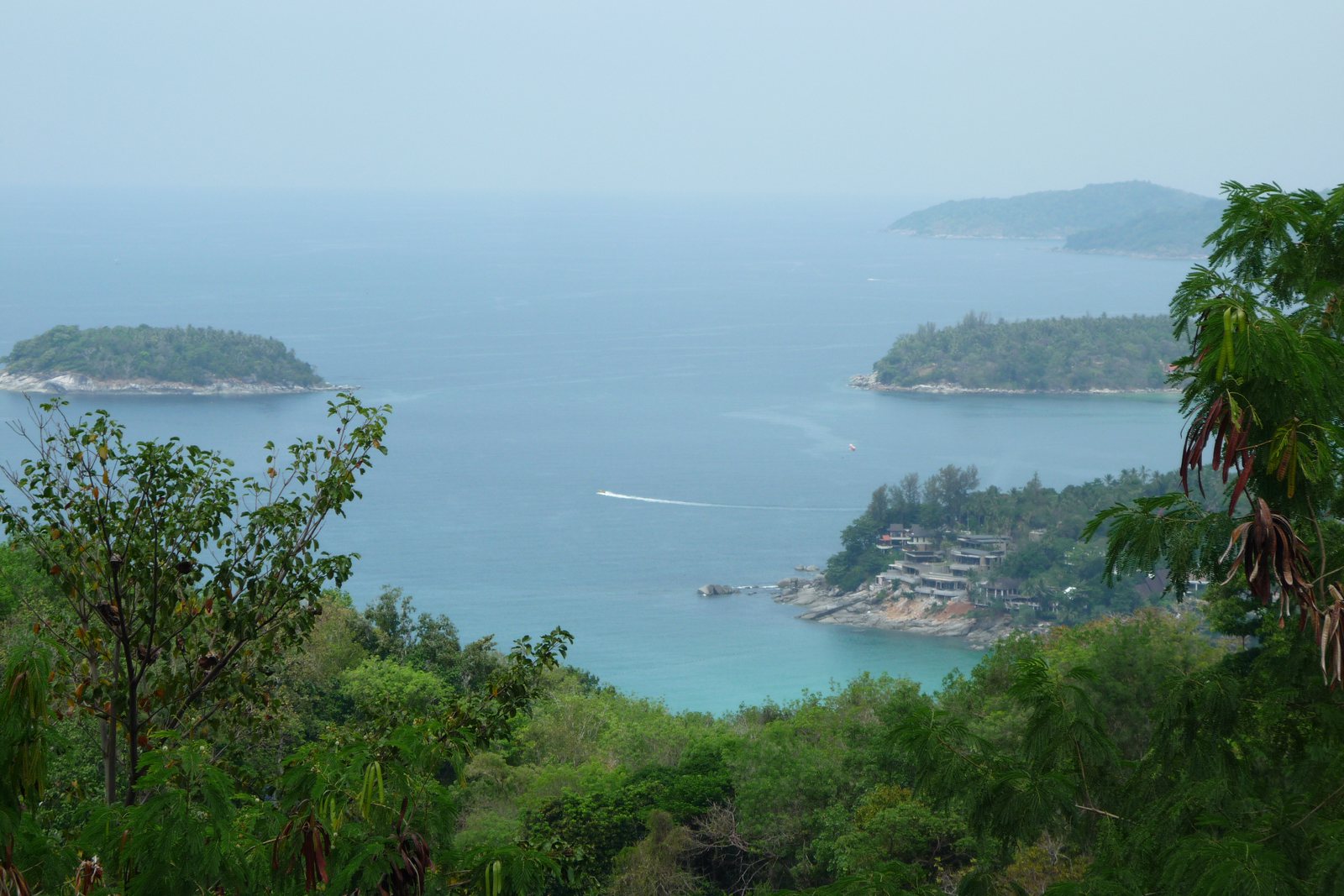
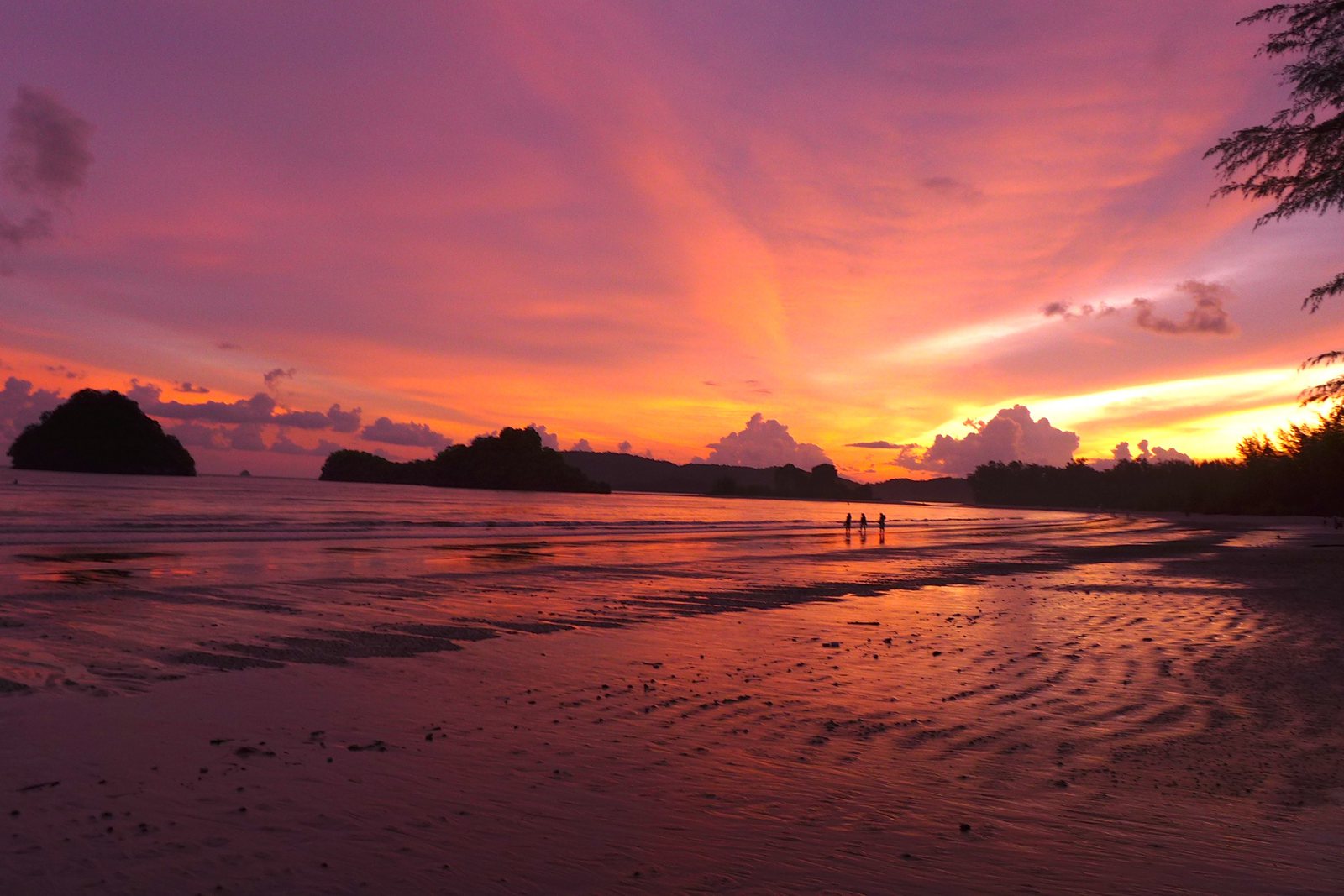
The Andaman coast is calm, dry and clear from about November to April. Its beaches face west, so sunsets go straight down into the sea, the water is flat and the boats run to timetable — the season Phuket and Krabi are known for. Railay's cliffs, the Phi Phi islands and the long beaches of Khao Lak all come into their own.
The exception: the Gulf islands
The same months are the Gulf islands' worst. Koh Samui, Koh Phangan and Koh Tao take most of their rain from the northeast monsoon, at its wettest from October to December with November the peak, when rough seas can cancel ferries. A Samui honeymoon in November is possible, but it needs a flexible day and a plan B.
What this season costs: crowds. The weeks around Christmas and New Year are the busiest of the year — book the photographer early, and expect the famous places to be full at the famous hours. Loy Krathong falls on the full moon of the twelfth Thai lunar month, usually in November: small offerings floated on rivers and lakes, crowded riverbanks, and in Chiang Mai the Yi Peng lanterns on the same nights, with sky lanterns banned in much of the city and releases kept to organised events — check the current year's date and rules.
March to mid-May: heat, haze and the islands
From about mid-February the heat builds, and April is the hottest month almost everywhere. A session in these weeks belongs to the first two hours of daylight and the last one, with nothing in between; the photographer plans shade, water and a short walk between frames. Mornings are the better end.
The north pays most. From about February to April, smoke from seasonal burning hangs over the mountains, usually worst in March: the views from Doi Suthep and the hill temples flatten into grey. It is the one season to choose the city temples over the viewpoints, or another region entirely.
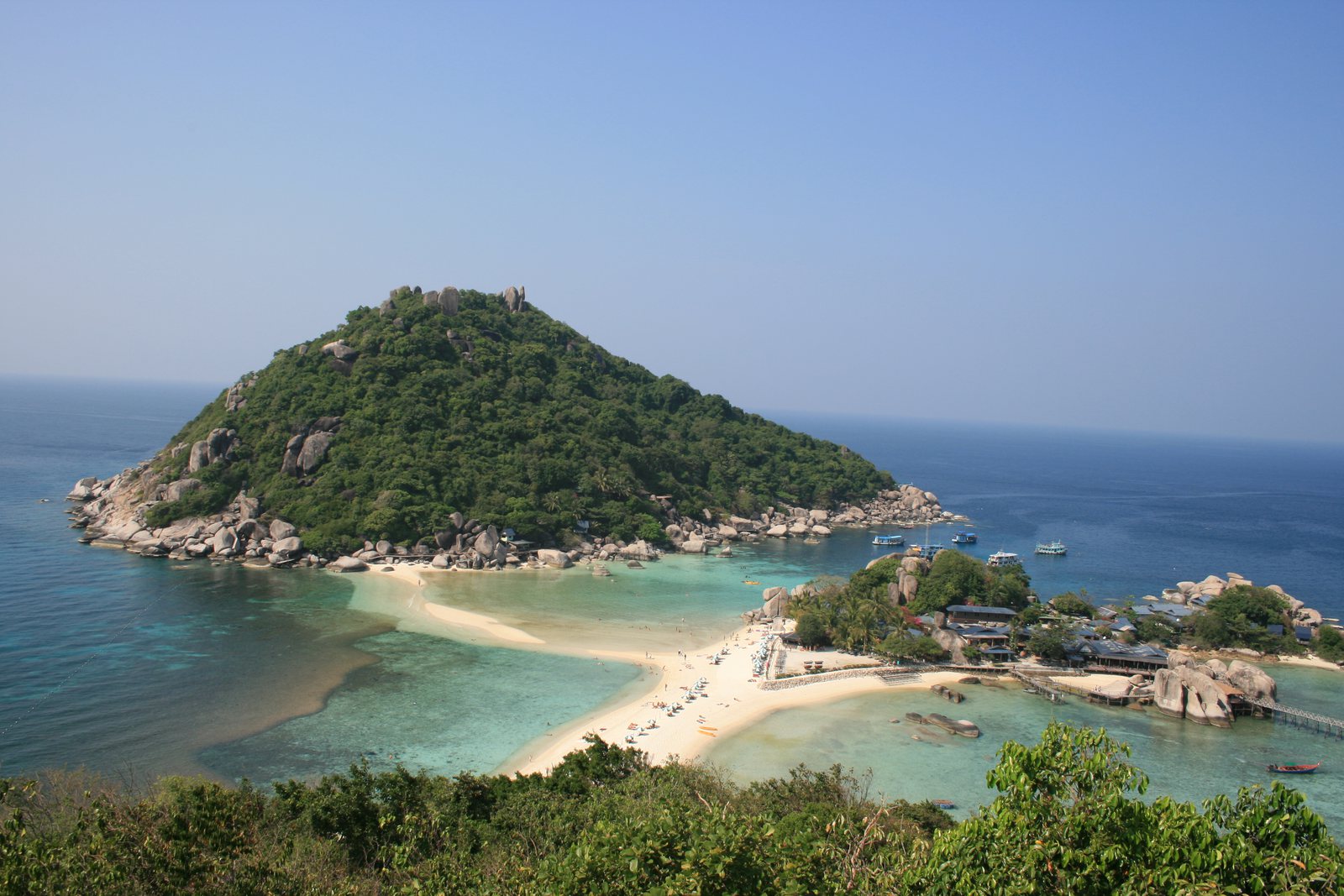
The islands are the good news. The Gulf is at its driest from February to April — calm water and clear days around Koh Samui, Koh Phangan and Koh Tao — and the Andaman stays fine until the monsoon arrives in May.
Songkran, the Thai New Year, is a public holiday from 13 to 15 April. Water is thrown in the streets of most towns and nobody stays dry, cameras included: plan the session away from the celebrations or join in with the gear protected.
Mid-May to mid-October: the Andaman monsoon
From about mid-May to mid-October the southwest monsoon reaches the Andaman coast, usually wettest in September. It brings big surf and heavier rain, red flags on the west-coast beaches — a red flag means no swimming, literally — and boat trips cancelled at short notice. The Similan Islands, off Khao Lak, are closed from mid-May to mid-October, and Maya Bay on Phi Phi Leh has closed every year for about two months (1 August to 30 September in 2025 and 2026); check the current dates. Speedboats to Koh Lanta are cut back from May to October.
What the monsoon gives back: the cliffs and the forest at their greenest, quieter beaches, dramatic skies between the showers. A session on the Andaman in these months works if it is planned with slack — a spare evening, a plan on land, and a spare day before an onward flight.
The same months elsewhere: city downpours, Gulf calm, a green north
While the Andaman is in its monsoon, the Gulf islands are dependable through the middle of the year — from about January to August — and they are the summer answer: a July or August beach session belongs on Koh Samui or its neighbours, and a couples session on Koh Samui then has the calm sea the west coast lacks.
In Bangkok and the centre, the rains run from about mid-May to mid-October, usually as a heavy afternoon downpour rather than a grey day. Plan the session for the morning, or for the hour after the storm, when the streets shine and the air is clean. Hua Hin gets less rain than most of the coast, but its wet months come late, heaviest around September and October.
The north's rains run from about May to October, and they turn the valleys green. From about August the rice fields are bright green, and towards the harvest in late October they go gold — the best months of the year for a rice-field session around Chiang Mai and Chiang Rai, if you can live with a shower.
October: the year turns
October is the month in between. On the Andaman the monsoon is ending, and around the middle of the month the Similan Islands reopen, though the first weeks can still be unsettled; in Bangkok the rains finish; in the north the rice turns gold; and on the Gulf islands the wet season starts, building towards its November peak. A late-October trip that starts in the north and ends on the Andaman catches the best of both.
Month by month, coast by coast
In January and February, almost everything works: the Andaman is at its calmest, the Gulf islands are drying out, Bangkok is cool and the north is clear until the haze begins in February. In March and April, go to the islands — the Gulf at its driest, the Andaman still fine — and shoot at the ends of the day everywhere, leaving the north's viewpoints for another time; Songkran fills the middle of April. May is the turn: the heat is still high, and the monsoon reaches the Andaman around the middle of the month.
From June to August, the Gulf islands are the beach choice, Bangkok is a morning city between afternoon storms, and the north turns green, with the rice fields bright from about August. September is the Andaman's wettest month, Hua Hin's wet months begin and Bangkok is still in its rains; the Gulf islands, past their most dependable stretch but ahead of their wettest, are usually the better beach bet. October turns the year: the Andaman's season comes back from the middle of the month, the north goes gold, and the Gulf starts to rain. November and December are the best months for most of the country — Bangkok, the north and the Andaman all at their best — except the Gulf islands, at their wettest, and with the year's busiest weeks at the end of December.
Planning a photoshoot around the season
Choose the coast before the date. If your dates are fixed, the season tells you where to go; if your place is fixed, it tells you which hour to book and how much slack to leave. In the dry months, book early, especially for Christmas and New Year. In the monsoon months on either coast, keep a spare evening in the plan and a spare day before any onward flight, and choose a session that can move to the morning or to land.
An hour at the right end of the day is worth more than two in the middle of it, in every month. A photographer who works a place through the year knows when the haze lifts, when the flags go up and how long the afternoon storm lasts — and rescheduling for bad weather is free for both sides. Read the destination pages for Phuket, Koh Samui and Chiang Mai, check how it works, and browse photographers online.
Want professional photos on Koh Samui?
Browse portfolios, compare packages, and book a verified local photographer in minutes.